.png)
 English
 中文
中文 한국어
한국어
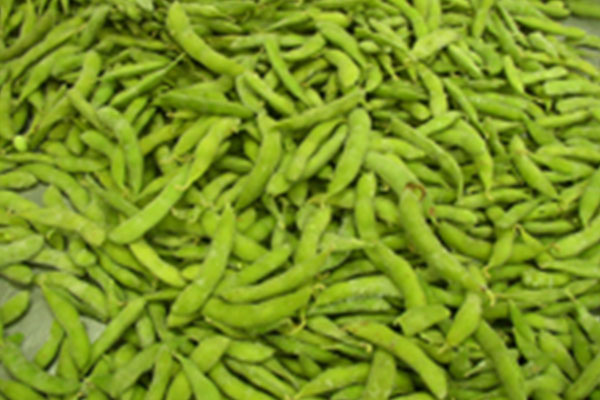
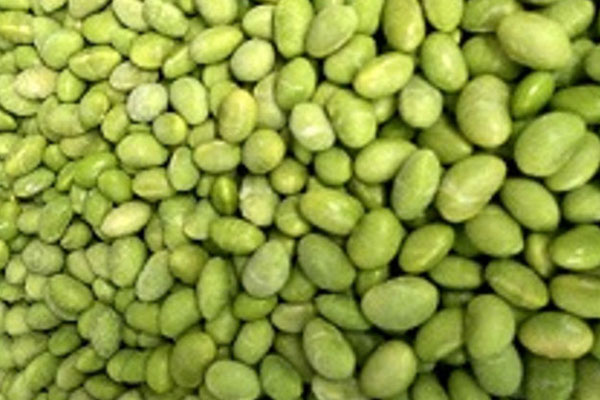
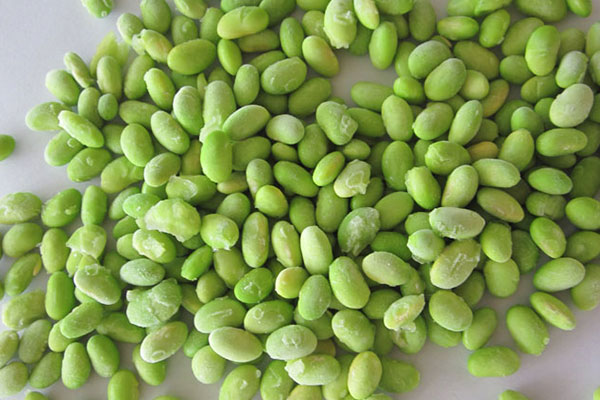
Frozen Soybean
Origin: Qingdao
Harvested at peak freshness and quickly frozen, these shelled soybeans lock in natural flavor, nutrients, and vibrant color. A convenient, versatile source of plant-based protein, perfect for adding wholesome goodness to stir-fries, salads, soups, and side dishes in minutes.
Product Description:
Frozen edamame
Frozen soy beans
Frozen soya beans
Frozen Mukimame
RB(Regularly Blanched) LB(Long Blanched) SB(Salted Blanched)
Variety: Taiwan 75(No.3), Shanghai Green IQF edamame soy beans in pods.
Size:
1)Taiwan 75(No.3) variety spring crop:150-165pcs/500g autumn crop:170-185pcs/500g
2)Shanghai green vareity spring crop:150-165pcs/500g autumn crop:170-185pcs/500g IQF Shelled edamame soy beans IQF peeled edamame soy beans IQF edmame kernels.
Packing: 20X500g/CTN,4X2500g/CTN 1x30lbs/CTN,20x16oz/CTN,580kgs/TOTE(slip sheet).
Origin: shangdong Provinces.
Season: Crop: From Sep. To Oct.
Certificates: ISO,HACCP,KOSHER,BRC,etc.
Successfully Exported Countries: apan,EU,USA,Israel,Middle East,etc.
What you need to know about frozen soybeans?
1. Q: Do I need to thaw frozen soybeans before cooking?
A: No, it's not necessary. You can cook them directly from frozen. This helps retain their texture and nutrients. Simply add them to boiling water, stir-fries, or soups, and adjust the cooking time slightly.
2. Q: What is the difference between frozen soybeans and edamame?
A: "Edamame" typically refers to young, green soybeans often served in the pod. "Frozen soybeans" in this context usually mean shelled, mature soybeans. They are a versatile ingredient, while edamame is often enjoyed as a snack or appetizer.
3. Q: How long can I store frozen soybeans?
A: For best quality, use them within 8 to 12 months when stored continuously at 0°F (-18°C) or below in a sealed package. Always check your freezer's temperature and the "best by" date on the package.
4. Q: Are frozen soybeans nutritious?
A: Yes! Freezing preserves most nutrients. They are an excellent source of complete plant-based protein, fiber, iron, and folate. They are a healthy, convenient alternative to canned varieties (which may contain added salt).
5. Q: What are some easy ways to use frozen soybeans?
A: They are incredibly versatile. Toss them into stir-fries, soups, stews, or curries during the last few minutes of cooking. Blend them into hummus or dips, add to grain bowls, salads, or use as a simple protein-packed side dish.
6. Q: Are these soybeans genetically modified (GMO)?
A: This depends on the brand and sourcing. Please check the product packaging for specific certifications like "Non-GMO Project Verified" or "Organic," which indicate the soybeans are from non-GMO sources.

Contact number: 86-532-87890195
E-mail: commerce@shangnuofood.com
Company fax: 86-532-87890195
Address: Qiujia Village,Wubei Town,Laixi,Qingdao ,China
.jpg)
.jpg)
.jpg)
.jpg)
Copyright 1996 Qingdao Shangnuo Food All Rights Reserved.